
A known condition you priced in is not the same as a deal-blowup discovered during buyer inspection. We scope the lateral before listing, hand you the record, and you choose: fix it, price it in, or list as-is with the report attached to the Ohio Residential Property Disclosure (Ohio Revised Code 5302.30). Same-week scheduling across Hamilton, Butler, and Warren counties.
Ohio Revised Code 5302.30 requires residential sellers to provide a written Residential Property Disclosure Form covering the condition of property systems including plumbing and sewer (Ohio Revised Code 5302.30). Sellers must disclose known material defects. The disclosure form is the standard one administered by the Ohio Department of Commerce Division of Real Estate and Professional Licensing and is part of every legal residential closing in Hamilton County (Ohio Department of Commerce).
The disclosure asks what the seller knows. A pre-sale sewer scope gives the seller a documented record of what is and is not known. That is the foundation of an honest disclosure. NAR national guidance reinforces the same point: disclosure is what protects sellers from post-closing disputes (NAR seller disclosure resources).
What the scope cannot do: turn a defect into a non-defect. It can only document what is there. Sellers who hold the report can attach it, address the defect before list, or price the home with the defect known. Each is a legitimate choice under Ohio Revised Code 5302.30.
Cincinnati ZIPs with the highest Orangeburg pipe and cast iron risk are the ones where most of the homes were built before 1980. The bungalow belts, the streetcar suburbs, the post-war ranch belts, and the 1920s planned community. If your listing falls in one of these, the scope finds whatever is there before the buyer plumber finds it on day 4 of the inspection period.
Cincinnati's textbook bungalow belt. Most homes built 1905 to 1935. Original clay tile laterals or first-generation cast iron. Mature silver maples and Norway maples drive heavy root intrusion. Highest-priority pre-listing scope target in the metro.
Mariemont was platted in 1923 as a planned community and most original Tudor-revival homes still stand (Wikipedia: Mariemont, Ohio). Cast iron mains and clay tile laterals from the 1920s install. Mature canopy. The scope-as-pre-listing math is among the cleanest in the metro.
Peak Orangeburg-era housing built 1950s to 1970s. Most original laterals would have been Orangeburg or transitional clay tile. Strongly recommend scope before listing. Cast iron mains may still be serviceable with descaling.
Cincinnati's historic Clifton mansions belt plus University Heights. Late 1800s to 1930s residential. Hillside grade plus age. Cast iron heavily scaled. Some pre-1900 clay tile still in service.
Cincinnati's largest residential neighborhood by area. Pre-1900 cottages plus 1920s to 1940s expansion. Cast iron mains scaled. Orangeburg risk on the post-WWII section.
Mix of 1800s historic stock and new condo towers. Pre-war buildings carry significant Orangeburg and cast iron risk plus shared-lateral complications. Newer infill is lower risk, but not risk-free: even newer homes fail a sewer scope about 40% of the time, so a scope is still worth it. Check construction date for the specific unit.
A pre-sale scope is not a commitment to fix. It is a commitment to know. After the report lands, the Cincinnati seller and listing agent have three legitimate paths under Ohio Revised Code 5302.30:
Fix before list. Repair the defect before the home goes on market. The disclosure says the lateral was repaired in date-X with documented Cincinnati plumber (your choice). The home lists clean. Most useful for low-cost fixes like hydro-jetting ($350 to $600) or descaling ($200 to $800) where the math obviously works.
Price it in. Set the list price with the disclosed defect in mind. The disclosure attaches the scope report. The home lists at a number that already reflects the issue. The seller does not absorb a renegotiation surprise during the buyer inspection period. Useful for mid-cost fixes like belly repair ($1,500 to $4,500) or root lining ($100 to $600).
List as-is, disclose, let the buyer choose. The disclosure attaches the report. The buyer knows before offering. Many Cincinnati investors and contractor-buyers will still write an offer on a property with a documented defect, particularly in Orangeburg-era neighborhoods where the issue is expected. The disclosure protects the seller from claims that the defect was concealed.
What the scope changes is not whether the defect exists. The scope changes which side of the closing the seller is on when it gets discovered.
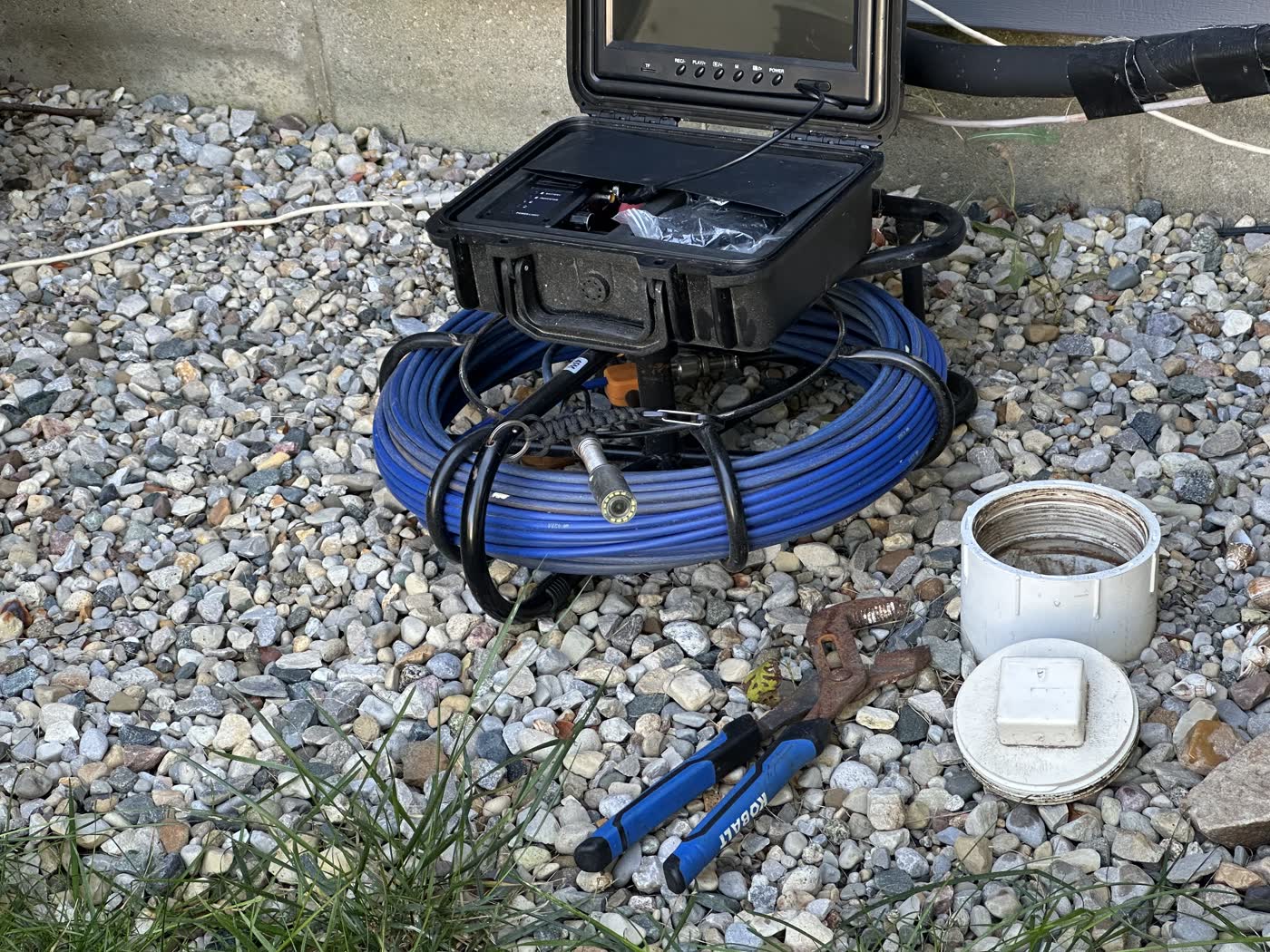
Book Cincinnati scope through listing agent or directly. Same-week appointments standard. 25 minutes on site. report in 24 hours. Quietly. Before professional photos, before MLS upload, before the sign goes up.
Read the report with your listing agent. Pick the path: fix, price in, or disclose as-is. If repair is the path, the buyer plumber bid happens now (your choice of Cincinnati plumber).
Ohio Residential Property Disclosure attaches the scope PDF and video link. Buyer agents see it during showings. No surprise on day 4 of inspection. Most buyers move forward with what they already knew about.
The buyer scope (if ordered) confirms what your pre-sale scope showed. Both reports match. No renegotiation drama. Cincinnati title closes on the price you set.
Cincinnati-localized People Also Ask, May 2026.
A known condition you priced in is not the same as a deal-blowup discovered during the buyer inspection period. Scoping before listing lets the Cincinnati seller attach the report to the Ohio Residential Property Disclosure, set the price with the defect in mind, and avoid a renegotiation 4 days into inspection. Pre-1972 Hamilton County stock is particularly worth scoping because Orangeburg-era lateral failure is statistically likely.
Source · Ohio Revised Code 5302.30, NAROhio Revised Code 5302.30 requires residential sellers to provide a written Residential Property Disclosure Form covering the condition of property systems including plumbing and sewer. Sellers must disclose known material defects. A pre-sale sewer scope gives the seller a documented record of what is and is not known. That documented record is the foundation of an honest disclosure and the seller's primary defense against post-closing claims.
Source · Ohio Revised Code 5302.30, Ohio Department of CommercePre-1972 Orangeburg-era neighborhoods carry the highest risk: 45236 Kenwood, 45230 Mt. Washington / Anderson Township edge, 45237 Roselawn / Bond Hill, and post-WWII Madeira and Finneytown. Cast iron risk is broader still: pre-1980 Hyde Park (45208), Mt. Lookout (45208), Mariemont (45227), Clifton (45219), Westwood (45211), Norwood (45212), and Pleasant Ridge (45213). Pre-1900 Over-the-Rhine and West End (45202, 45203) carry the oldest stock. The Cincinnati ZIP risk lookup on this site grades every Hamilton, Butler, and Warren county ZIP we cover.
Source · Cincinnati ZIP risk lookup, Mariemont WikipediaThe seller chooses. Fix it before listing (best for low-cost defects like root clearing at $100 to $600 or descaling at $200 to $800). Price it in (best for mid-cost like belly repair at $1,500 to $4,500). List as-is with the report attached (legitimate for any defect, particularly common in Orangeburg-era neighborhoods where buyers expect the issue). Each is a legitimate choice. The scope produces the record. The seller and listing agent decide the strategy.
Source · Angi Cincinnati, Cincinnati cost calculator on this siteThe Cincinnati pre-sale scope is the same $200 to $300 as the buyer scope. It is a listing expense billed at completion, never collected at closing. Cincinnati Sewer Scope invoices at completion. You pay after the inspection. No deposit and no upfront payment.
Source · Angi cost dataSame-week appointments across Hamilton, Butler, and Warren counties. Quiet, before MLS upload. report in 24 hours.