More than half the homes selling in Cincinnati right now were built before 1980. Over-the-Rhine and the West End are pre-1900. Hyde Park, Mt. Lookout, and Mariemont sit in the Orangeburg-era and cast iron window. None of those materials shows up in a standard home inspection. We catch them on camera in about 25 minutes, before the deal is signed.
Call now · (513) 201-8833Prefer to talk? Find your local office →
Every scope is recorded from the cleanout to the city tap. You get the full, unedited video — the same footage we review — plus a plain-English written report. Nothing hidden. No spin. No repair pitch.
Book your scope →Cincinnati ZIPs vary widely by housing-stock era. Over-the-Rhine and the West End are pre-1900. Pre-1972 builds carry Orangeburg risk. Pre-1980 cast iron lines are mid-life and scaling. Type your ZIP. We tell you what's likely under the lawn (or under the sidewalk, for the urban core).
Our risk model uses the housing-stock era documented for Hamilton, Butler, and Warren county ZIPs. Each result links sources so you can verify.
Real defects, real Cincinnati repair costs, real sources. Click any card to expand the full plain-English version your buyer can show their plumber.
Cincinnati's housing distribution puts more pre-1980 stock in the for-sale pool than almost any other Midwest metro. The urban core (Over-the-Rhine, West End, Mt. Auburn, Avondale) is largely pre-1900. The first-ring residential belts (Hyde Park, Mt. Lookout, Clifton, Westwood) ran through 1900 to 1940. Mariemont was platted in the 1920s as a planned community and most original homes still stand. The result: three different waves of lateral-material risk in three different geographies.
None of this shows up on a buyer's standard home inspection. Most of it does not show up on a disclosure if the seller does not know. All of it is catchable on camera from the cleanout in about 25 minutes, before the deal is signed.
Cleanout, code-approved access point, or pulled toilet. If there's no access (common in Over-the-Rhine and pre-1900 West End homes), we tell you before we start.
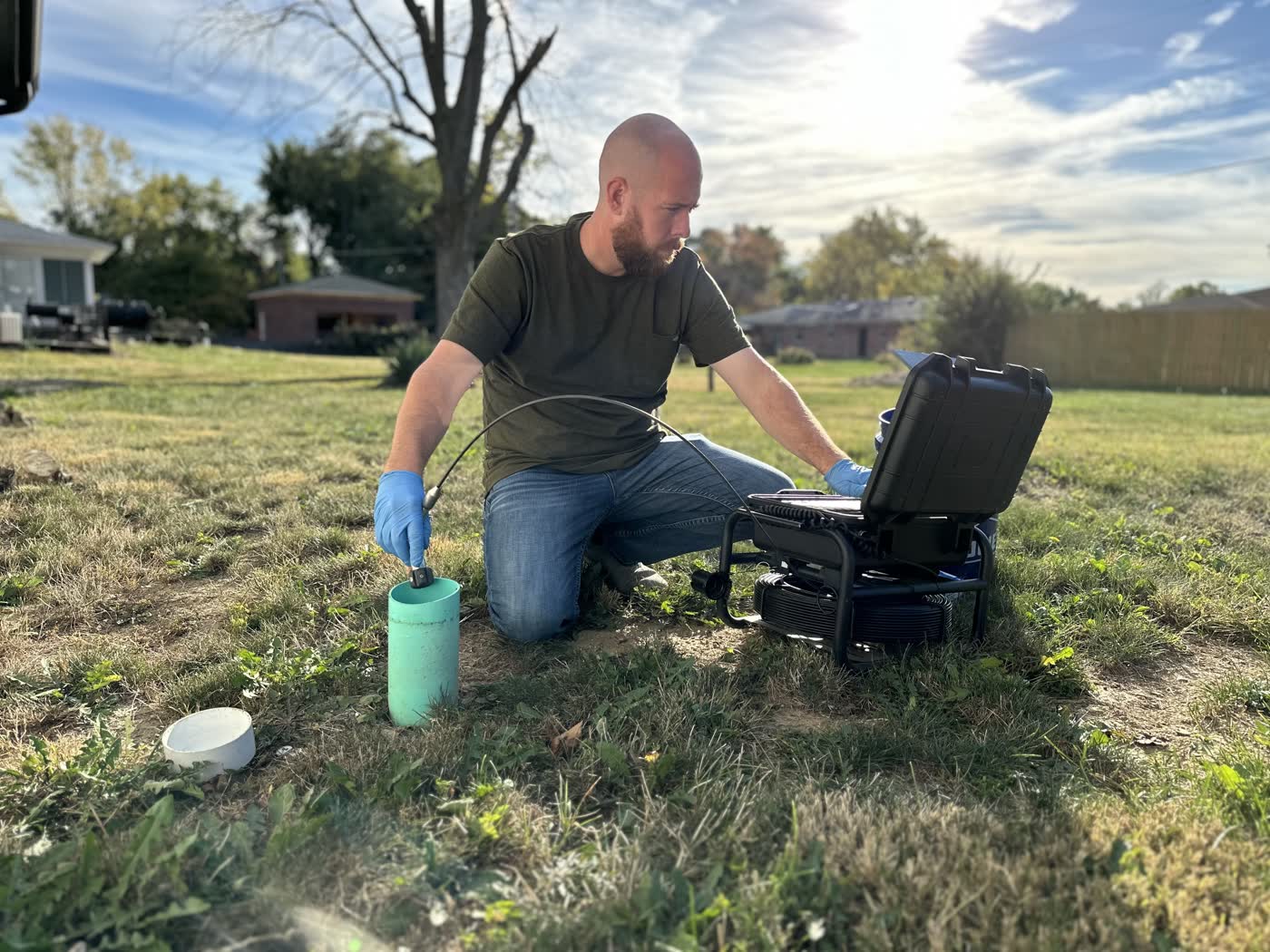
High-resolution camera advances from the cleanout through the lateral line to the Cincinnati MSD tap.
Video capture plus video capture of any finding: Orangeburg delamination, cast iron scale, roots, bellies, cracks, offsets, separations.
The report and shareable video go directly to you, the customer. You can pass them along to your agent, lender, plumber, or anyone else, exactly as you see fit.
Same professional report and high quality video format as every other Sewer Scope metro. Standardized output is the whole point of the franchise.
Full-resolution video, cleanout to MSD tap. Shareable link. No app, no login required for the recipient.
1-page summary, video capture of every finding (roots, bellies, cracks, offsets, Orangeburg, cast iron). An easy-to-read report you can use for disclosures, negotiating, or getting repair quotes.
We're not Cincinnati plumbers. We don't bid the fix. The report is the report. Your buyer's plumber bids the repair, on whatever timeline the closing allows.
Roughly seven of every ten Cincinnati jobs come in through a realtor. You don't need our brochure. You need vendors you can count on.
Same-week appointment standard across Hamilton, Butler, and Warren counties. Buyer's inspection period stays intact. Your buyer's home inspector gets the link the moment we ship the file.
As soon as the report is ready, the invoice is sent and the report is automatically emailed. Buyers don't write a check on the porch. Removes a friction your buyer's plumber inspection still has.
About 80% of our inspections turn up some deferred maintenance on the sewer line. Knowing that before you list can be a real advantage in negotiations, and it helps the buyer avoid any unwanted (and sinky) surprises after closing.
A sewer scope inspection sends a small high-resolution camera through your home's sewer lateral, from the cleanout all the way to where your line meets the Cincinnati MSD main. The technician records video and stills of any defect (roots, cracks, bellies, scale, Orangeburg deformation, offset joints) along the entire run. The output is video plus a written report with footage notation.
Source: Rocket Mortgage · SpectoraIn Cincinnati, a standalone sewer scope runs $200 to $300 at most specialty providers. Bundled with a full home inspection, expect $100 to $200 added to the base inspection fee. Sewer Scope Cincinnati prices start at $200 — paid after the inspection.
Source: HomeGuide · AngiAbout 25 minutes on site for a typical Cincinnati residential lateral. Report delivery is under 24 hours, with most reports inside 12. Factors that can extend the on-site time include hard-to-find cleanouts (common in pre-1900 Over-the-Rhine and West End buildings), hillside laterals on long runs in Mt. Adams or Clifton, heavy root mats requiring slow camera advance, and bellies that pool water and slow the camera.
Source: Alpha Environmental · Total House InspectionYes if the home is built before 1980. More than half of homes selling in Cincinnati right now fall into that window, which is the cutoff for Orangeburg pipe (peaked 1945 to 1972) and cast iron mains that have scaled up. Over-the-Rhine and West End stock is pre-1900 with materials that are older still. Standard buyer's home inspections do not include sewer scoping. For homes built between 1945 and 1972 in particular (Madeira, Kenwood, Anderson Township, Finneytown), a scope is strongly recommended regardless of the buyer's other inspection results.
Source: NuFlow · InterNACHIFHA does not require a sewer scope on homes connected to a public city sewer. The FHA appraiser is required to flag visible signs of failure but is not required to scope the line. However, individual Cincinnati-area lenders may add a sewer scope condition for homes built before 1980 or in known-issue ZIPs (45202, 45203, 45205, 45206, 45208, 45226, 45227). For homes on septic (not city sewer), FHA does require a septic system inspection by an approved professional, and minimum distance requirements apply between well, septic, and property lines.
Source: FHA News Blog · FHA.comA trained sewer-scope specialist or a home inspector certified for scope work. The buyer's standard home inspector, unless specifically credentialed and equipped, does not include sewer scoping in their default inspection. Many Cincinnati home inspectors subcontract sewer scope work to a specialist precisely because the equipment, training, and report format are different. The key distinction: the person scoping should not also be the person bidding the repair, since that creates a conflict of interest. Sewer Scope Cincinnati never bids repairs. Brandon runs the local Cincinnati team under that standard.
Source: InterNACHI · Pillar To PostOrangeburg pipe was manufactured from the 1860s through the 1970s with peak residential use 1945 to 1972. It's made of wood pulp sealed with liquefied coal tar pitch. On a camera scope it appears rough and corrugated, dark brown to black, and is often deformed into an oval or even partially collapsed shape because it loses round structural integrity over time. Useful life is around 50 years ideal, but known failures have occurred in as little as 10 years. Cincinnati homes built 1945 to 1972 (Madeira, Kenwood, Anderson Township, Finneytown, parts of Springdale and Forest Park) should be presumed Orangeburg-risk until scoped.
Source: Wikipedia · Structure Tech · InspectAPediaCast iron sewer pipe has a lifespan of 50 to 100 years, with deterioration commonly beginning after 25 years. Cincinnati's clay-and-shale soil profile, combined with the moisture retention of the hillside drainage stacks, accelerates the corrosion timeline. By the time a 1928 Hyde Park bungalow or a 1932 Mt. Lookout colonial reaches the resale market today, its cast iron main is late-life and almost certainly scaled. Descaling can restore diameter and extend useful life. Full replacement is needed where the pipe bottom has rusted out ("channeled") or where cracks have formed.
Source: Balkan Plumbing · Parker and SonsNo. Sewer Scope Cincinnati is not a plumbing company and we don't sell repairs. The report tells you what's there. Your buyer's plumber (or any Cincinnati plumber you choose) bids the fix on whatever timeline the closing allows. The whole reason this works is we have nothing to upsell. The defect dictionary on this page links to Cincinnati-area cost data so you can sanity-check whatever quote you get back.
Source: this site's repair cost estimator and Cincinnati market data references above.In Hamilton County and the city of Cincinnati, the homeowner owns the sewer lateral from the house to the connection at the Metropolitan Sewer District (MSD) main. MSD handles the main line. That means the homeowner pays for lateral repairs, replacement, root intrusion clearing, and connection-tap repairs. Greater Cincinnati Water Works runs the water side. Lateral work requires an MSD permit and the contractor must be Cincinnati-registered, insured, and bonded.
Source: Cincinnati MSD · Greater Cincinnati Water Works · Hamilton CountyAppointments can be made online. Enter your zip code, pick your date, and get your confirmation. Same-week appointments standard across Hamilton, Butler, and Warren counties. Brandon runs the local Cincinnati team.
Or call (513) 201-8833 or email Find your closest office.
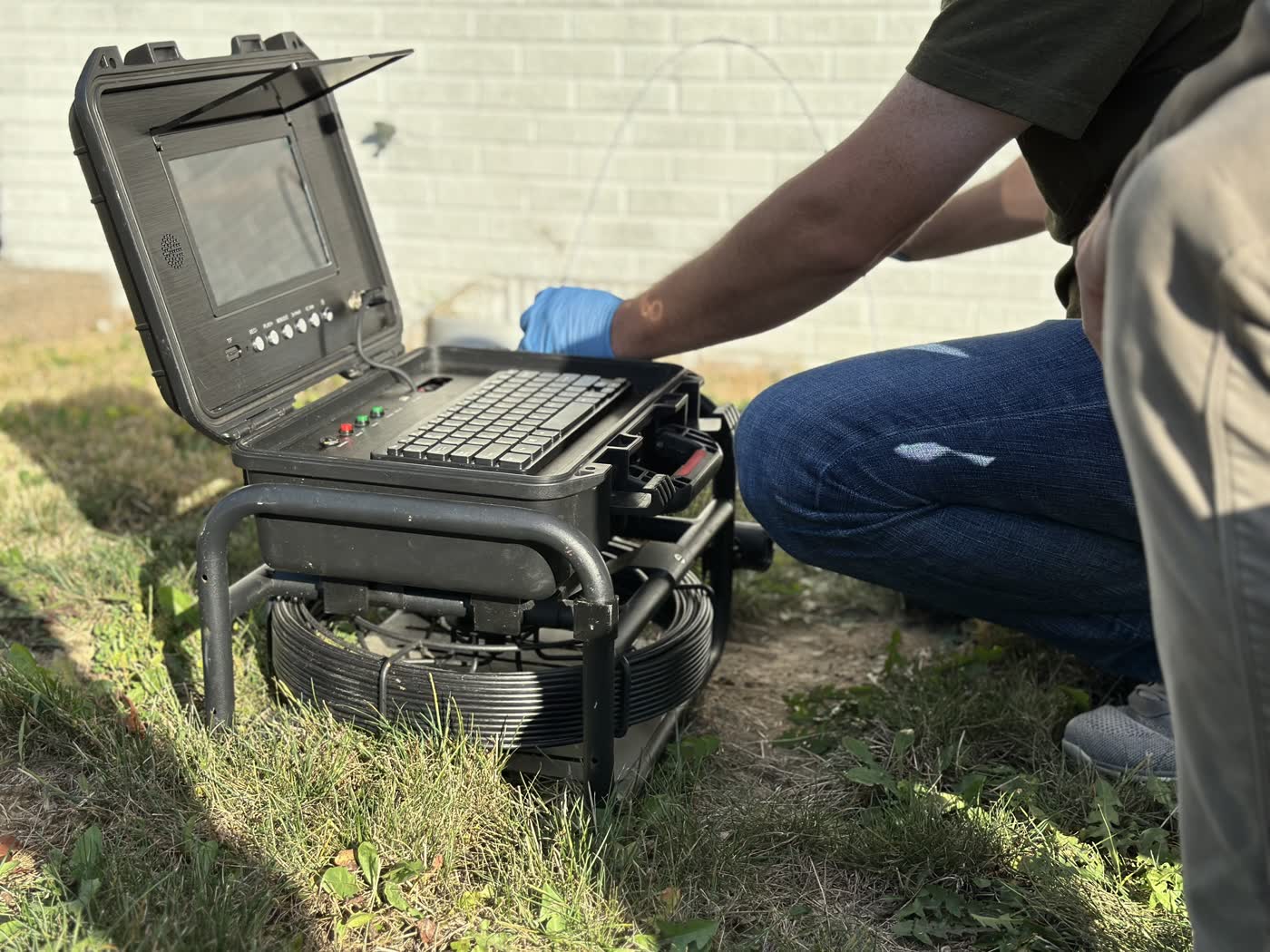
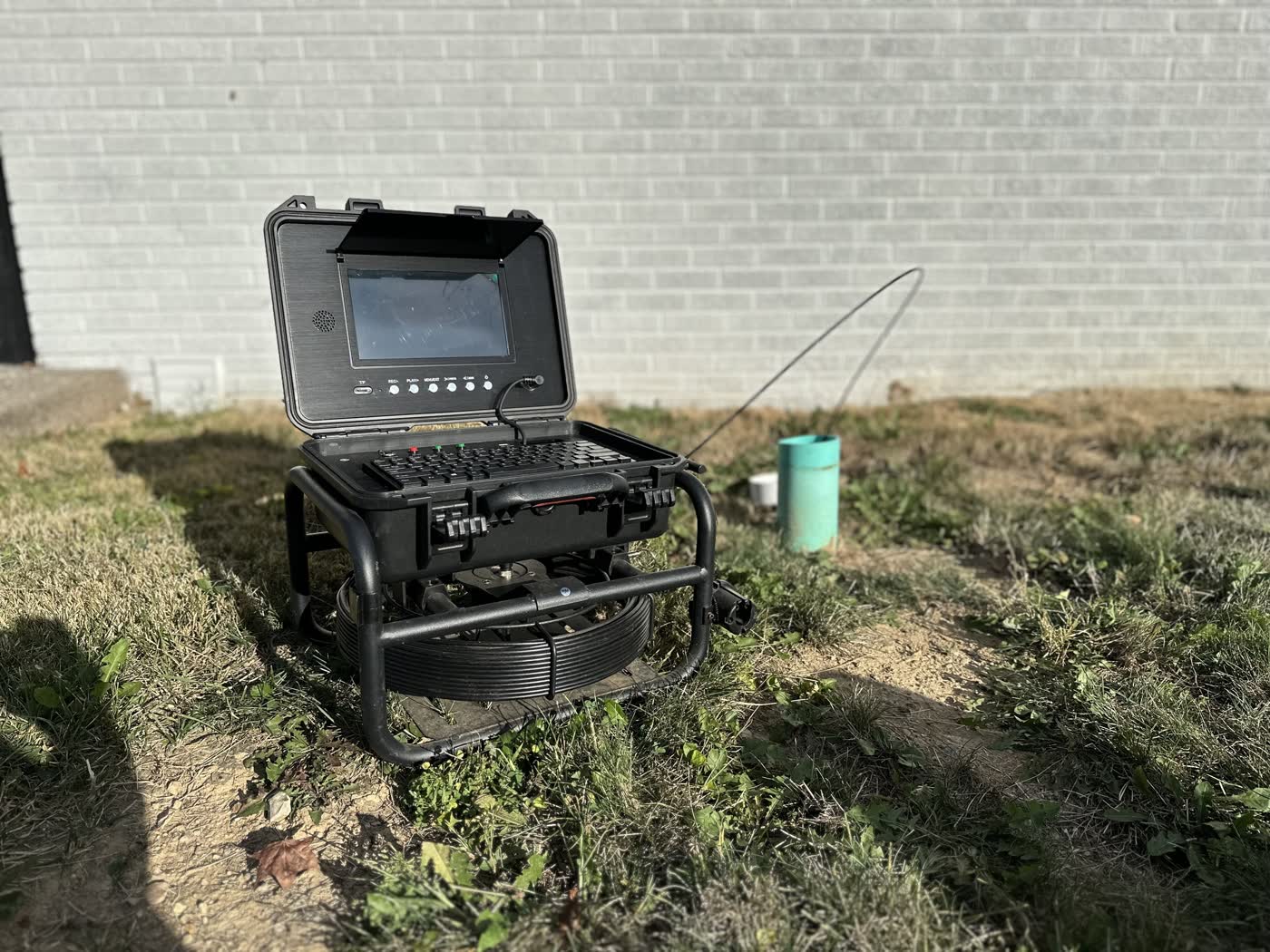
A few frames from recent residential inspections. No staged shots, just the actual on-site flow.