
Capitol Hill, Park Hill, Berkeley, Wash Park, and Cheesman Park bungalows are charm machines. They are also bentonite-clay testbeds with hand-laid clay tile laterals that have moved through more than a century of freeze-thaw and seasonal swell. A buyer plumber finding an offset joint on Inspection Objection day 6 is the worst possible moment to learn it. A pre-listing scope tells you what is in the lateral before you sign the Colorado Real Estate Commission Seller Property Disclosure (SPD19), so the answers come from a documented fact, not a guess.
A Denver pre-sale scope is $299. A typical Front Range lateral repair runs $1,500 to $5,000 climbing to $25,000-plus in difficult-access historic neighborhoods (Angi Denver). The number to focus on is not the repair, though. It is the cost of finding a defect after MEC (mutual execution of contract), inside a 7 to 14 day Inspection Objection window, with a buyer plumber waving a worst-case bid and an agent under deadline pressure to react.
A pre-listing scope removes that surprise. Three outcomes are possible. One, the lateral is clean. Seller signs SPD19 with documented evidence and the report is a listing asset. Two, the lateral has a manageable defect (light root intrusion, mid-life cast iron scale, minor offset). Seller decides whether to repair now or price it in. Three, the lateral has a major defect (Capitol Hill clay tile collapse, deep belly, separated tap). Seller controls the response timeline instead of reacting inside the Inspection Objection window.
The Colorado Real Estate Commission contract pairs the disclosure obligation (SPD19) with the buyer's Inspection Objection process. Disclosing a known and documented condition is materially different from disclosing a vague suspicion. CRS 38-35.7-102 governs disclosure of known material defects in Colorado residential real estate (Colorado General Assembly statutes). A pre-sale scope creates the documented record that lets SPD19 be answered from fact.
DMAR-area listing agents who routinely move pre-1980 Denver inventory order pre-listing scopes on three categories of property. The pattern is consistent across Capitol Hill (80218), Park Hill (80205, 80207), Berkeley (80211), Sloan's Lake, Wash Park (80209), and Cheesman / Congress Park.
1890s through 1940s Capitol Hill, Park Hill, Berkeley, Highlands, Sloan's Lake, Wash Park, Cheesman Park, Congress Park. Original clay tile or early cast iron laterals. Hand-laid joints opened by a century of bentonite-soil swell. Scope rate among DMAR listing agents serving this stock is approaching reflexive on any listing above the median.
1945 to 1972 Hampden, Wellshire, Indian Creek, Park Hill North, Lowry edges. Cast iron mid-life with scaling. Some early PVC. Defect rate is real but typically descaling-grade rather than full replacement. Pre-listing scope catches the manageable issues at the price the seller chooses, not the buyer plumber's worst-case bid.
Central Park (former Stapleton, 80238), Lowry, Highlands Ranch, Lone Tree, Castle Rock. Modern PVC. Low defect rate on materials, but Front Range expansive-soil settlement on filled or graded land still drives joint movement. Scope is cheap insurance and a listing-asset video for the marketing kit.
The Colorado Real Estate Commission Seller Property Disclosure form (SPD19) asks the seller to identify known conditions related to plumbing and sewer service. Colorado disclosure obligations are rooted in CRS 38-35.7-102 (Colorado General Assembly), which covers material defects known to the seller. The form is updated periodically by the Colorado Real Estate Commission (DRE forms page).
Without a pre-listing scope, the Denver seller is left to disclose from memory: did this lateral ever back up? Has a plumber rooter-jetted it in the last 5 years? Are the cottonwood roots on the parkway a problem? With a pre-listing video and PDF report, the seller can attach the report as an addendum or reference the scope on the disclosure, depending on listing-agent strategy. The DMAR (Denver Metro Association of Realtors) playbook for pre-1980 listings increasingly leans toward attaching the scope report (DMAR).
The downstream effect: the Inspection Objection that comes during the buyer's 7 to 14 day window matches what the seller already disclosed. There is no surprise. No re-trade. The buyer plumber bids the same defect against the same documented report. The negotiation moves from emotion to dollars.
Listing agent or seller calls (720) 239-2322 or books. Same-week appointment standard across Denver, Aurora, Lakewood, Centennial, and the Front Range. We check housing-stock era and ZIP risk before we arrive.
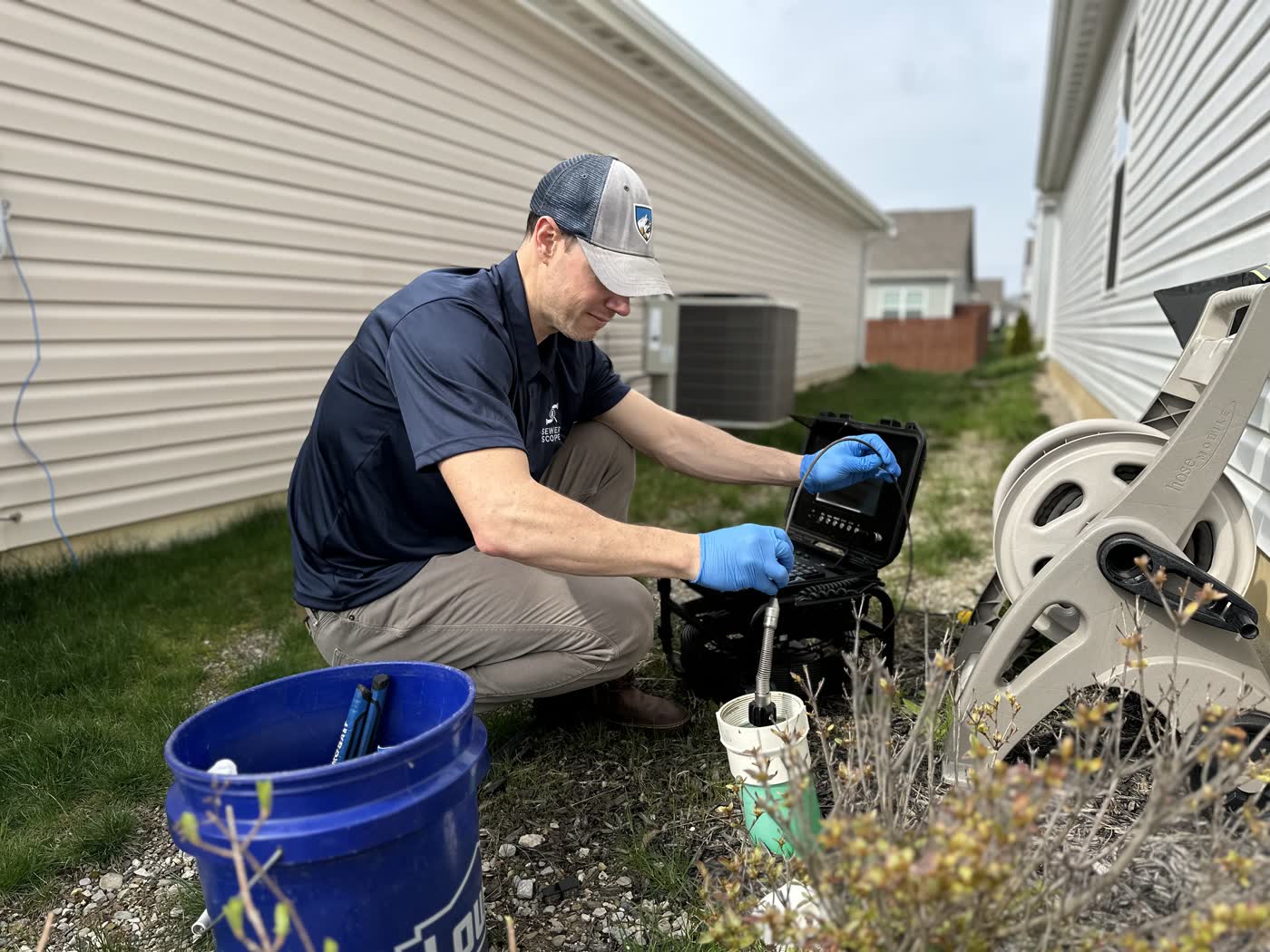
25 minutes on site. Cleanout to Denver wastewater tap. HD video and video capture. For pre-1920 Capitol Hill or Cheesman Park homes without an exterior cleanout, we plan the pulled-toilet pull in advance with the seller.
PDF and shareable video link delivered to the listing agent and seller. Defects flagged with the same severity language the buyer plumber will use. Expansive-soil heaving, altitude freeze-thaw cracking, and historic clay tile separation called out distinctly.
Repair before listing. Price the defect into the listing. Disclose the report as-is with the seller's notes. The decision is made at the seller's pace, with a Denver plumber bid (or a competing bid) in hand, not under Inspection Objection clock pressure.
Denver-localized People Also Ask for sellers, May 2026.
If the home was built before 1980 and sits in central Denver (Capitol Hill, Park Hill, Berkeley, Wash Park, Highlands, Sloan's Lake, Cheesman Park, Congress Park), yes. Front Range bentonite-rich expansive soils and 90-plus freeze-thaw cycles per year drive offset-joint defects in laterals older than 50 years. A pre-listing scope tells you what is there so the buyer's scope is not a surprise inside the Inspection Objection window. For post-2000 PVC stock in Central Park or Highlands Ranch, the case is weaker but the scope is still cheap listing-asset insurance.
Source · Colorado Geological Survey, DMARThe Colorado Real Estate Commission Seller Property Disclosure form (SPD19) asks the seller to identify known conditions including sewer-line issues, past sewer repair, and the type of sewer service. Colorado follows a disclosure standard rooted in CRS 38-35.7-102 covering known material defects. A pre-sale scope creates a written, dated record of the lateral condition so the seller can answer SPD19 questions from observed fact rather than guess. The form is published and periodically updated by the Colorado Real Estate Commission.
Source · Colorado Real Estate Commission forms, Colorado General Assembly statutesAlmost always the opposite. Knowing what is in the lateral lets the seller either repair before listing or price the issue into the offer. The deal-killer is when a buyer plumber finds something on day 6 of the Inspection Objection window and the seller has 4 days to react without a plumber bid in hand. Pre-listing turns that into a fully-documented decision made at the seller's pace. DMAR-area listing agents handling Capitol Hill, Park Hill, and Berkeley inventory increasingly attach the pre-listing scope report to the listing packet as an asset rather than treat it as a liability.
Source · Denver Metro Association of Realtors$299 at Front Range Sewer Scope (Sewer Scope Denver). Same equipment, same specialist report format as the pre-purchase scope. You pay after the inspection. No deposit and no upfront payment. Less expensive than the average Capitol Hill or Park Hill lateral repair bid by an order of magnitude. There is no upfront payment. Billing happens after the inspection.
Source · Angi Denver, Denver cost calculatorBoth records co-exist. The buyer's scope is theirs to commission and theirs to use during the Inspection Objection window. The seller's pre-listing scope is part of the disclosure record. In practice, when both reports describe the same lateral within weeks of each other, the negotiations move quickly because both sides are working from concurring evidence. The friction case is when the seller's pre-listing report is months old and a fresh defect (freeze-thaw crack, root intrusion, heave-driven offset) has emerged since. A pre-listing scope close to the listing date avoids that gap.
Source · InterNACHI, SpectoraWork with the listing agent on whether to attach the PDF report directly to SPD19 or whether to describe the finding in the SPD19 narrative and reference the report. Standard DMAR practice is to attach the report when the finding is material (Capitol Hill clay tile collapse, deep belly, separated tap) and reference it in the narrative when the finding is minor (mid-life cast iron scale, light root intrusion). CRS 38-35.7-102 requires disclosure of known material defects regardless of attachment strategy.
Source · DMAR, Colorado General AssemblySame-week appointments across Denver, Aurora, Lakewood, Centennial, Highlands Ranch, and Lone Tree. booking. (720) 239-2322.